

Cart
0
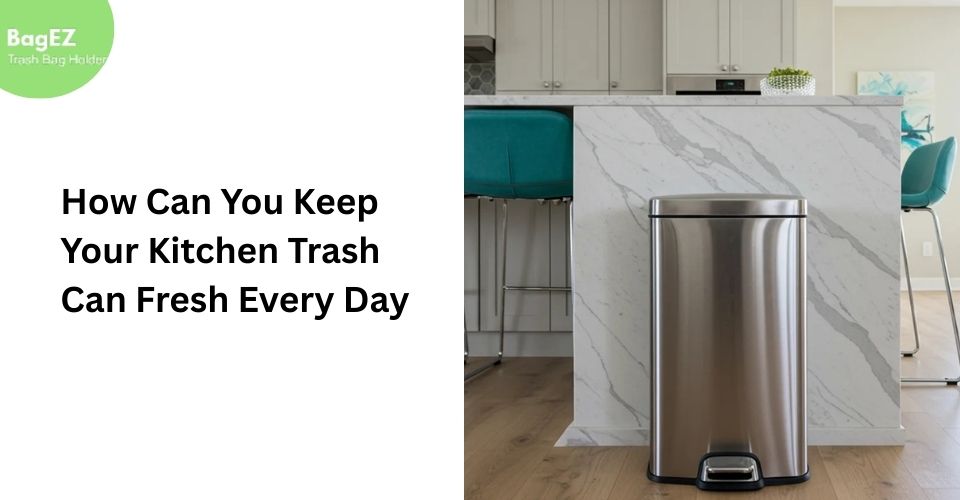
A new kitchen does not necessarily have a clean countertop or cabinet arrangement. The trash can is one of the most overlooked factors affecting kitchen hygiene. Even the cleanest kitchens may develop unpleasant odors when waste is not disposed of properly. Freshness in the kitchen trash is crucial to maintaining a healthy, welcoming cooking environment.
The combination of food scraps, packaging, moisture, and heat is all that it takes to provide the ideal place for bacterial growth and lingering odors. Odors tend to recur even after cleaning, without the right habits and tools. The positive is that it is perfectly possible to have your kitchen trash can clean every day with regular routines and clever tricks.
The Reasons Behind the Formation of Bad Odors in Kitchen Trash Cans

The first step towards preventing trash cans from smelling is to know why they smell. The organic waste includes most kitchen odors, such as leftover food, peels, meat scraps, and liquids leaked into bags.
Bacteria proliferate quickly when moisture accumulates. During waste degradation, harmful gases are emitted. The process is hastened by warm kitchen conditions, particularly in closed trash containers.
It is not usually sufficient to simply remove the trash. The residue that causes odors may remain in the bin even after the bag has been used.
The Significance of Waste Management Every Day
Regularity is more important than thorough cleaning as far as freshness is concerned. Trash left to stand for several days accumulates odors and attracts pests.
Food waste and other types of waste removed daily minimize the time bacteria have to multiply. The trash bag is not yet full, but ridding it off would avoid the smells to be deposited on the surface of the bin.
This is a basic practice that leaves an impression of the kitchen's freshness.
The Effect of Moisture Control on Freshness
One of the largest contributors to the odor of trash cans is moisture. Food waste liquids accumulate in the bin, thus serving as a potential source of bacteria.
Food scraps must be drained or wrapped to minimize moisture content before disposal. The liquid buildup can be avoided by using the absorbent liners or putting materials that absorb moisture in the bottom of the bin.
A dry trash container will last longer and be less difficult to maintain.
The Role of Regular Cleaning
Even under the common trash collection, rubbish may stick to the inside of the bin. Frequent cleaning does not allow the permanent fixation of smells.
The trash should be washed once a week with warm water and mild cleaning chemicals to eliminate bacteria and remaining dirt. One should be keen on corners, lids, and foot pedals, which tend to harbor odors.
It is also important to keep the bin dry and then place a new bag in order to minimize the odors.
Why Trash Can Design Matters
All trash cans are not equal. Ill-constructed bins entrap fumes, are prone to leakage, and are difficult to clean.
The sealed bins contain odors, and the interior surfaces are smooth to prevent waste from sticking. Maintenance is made easier and more efficient through proper ventilation and easily removable liners.
The use of natural odor absorbers is very strong to keep the trash cans fresh. Baking soda, charcoal, or special odor neutralizers are materials that can absorb odors rather than mask them.
By placing them at the bottom of the bin or in separate compartments, the odor accumulated between cleanings is minimized. The absorbers do not overpower scents as the air fresheners do.
This would make the kitchen more neutral and clean.
Inhibiting Bacteria Growth within the Bin
A symptom of bacterial activity is the odor. Direct reduction of bacteria increases freshness.
It is possible to reduce bacterial growth by using antibacterial bin liners, sanitizing sprays, or hygiene-oriented waste solutions. These actions come in handy, particularly in a home where cooking is common or temperatures are warmer, where bacteria breed more readily.
A clean garbage bin will be cleaner and less dangerous to the whole house.
Why Kitchen Hygiene is More Than Meets the Eye
The clean smell of trash is not simply a matter of comfort. It also helps maintain standards of general kitchen hygiene and food safety.
Smells may cause attraction of insects and pests making them more prone to contamination. Trash bacteria may be transferred to floors, countertops, and hands in case of a lack of hygiene.
Keeping the trash can clean is also a critical component of a clean and healthy kitchen routine.
The Way Bagez Assists Freshness of Kitchen Trash Cans

BAGEZ is concerned with enhancing daily waste management through practical, clean-driven solutions. Rather than short-lived solutions, it focuses on long-term odor control, moisture management, and hassle-free maintenance.
By solving the trash can odor problem, BAGEZ helps keep kitchens cleaner without complicating the daily routine. The intention is to ensure that freshness is effortless and sustainable to both the small and big households.
This method will align convenience with hygiene.
Creating an Easy Freshness Routine
It is not that difficult to keep a trash can in the kitchen fresh. It is all a question of routine.
The processes of waste disposal, moisture recovery, cleaning and odor alleviation will help each other to avoid smells before they appear. Freshness will be part of daily kitchen life, but not a recurring issue when implemented alongside hygienic solutions.
Uniformity makes cleanliness a habit, and not a duty.
Final Thoughts
The freshness of kitchen trash is also an underappreciated aspect that contributes significantly to home hygiene and comfort. The odors can be avoided as long as one applies the right practices and tools.
Through moisture management, cleaning, selection of smart bin designs, and installation of efficient odor management solutions, any kitchen can remain fresh and acceptable throughout the day. Through considered hygienic assistance by BAGEZ, it is easy to have a clean and aromatic refuse container.
Where garbage finishes a new kitchen begins.
And if you need a kitchen that smells as good as it looks, you need to reconsider your waste management. Learn about hygiene-based solutions from BAGEZ and make your daily trash disposal routine cleaner and fresher.
Frequently Asked Questions
1. How often should I clean my kitchen trash can?
Ideally, your trash can should be cleaned once a week. If you dispose of food waste daily or notice odors sooner, cleaning more frequently helps maintain freshness.
2. Why does my trash can smell even after taking out the bag?
Odors usually come from residue, moisture, or bacteria left inside the bin. Even clean-looking bins can harbor odor-causing particles if not properly washed and dried.
3. What is the best way to prevent trash can odors long-term?
The best approach is prevention. Remove food waste daily, control moisture, clean the bin regularly, and use odor-absorbing hygiene solutions to prevent odors from forming.


