

Cart
0
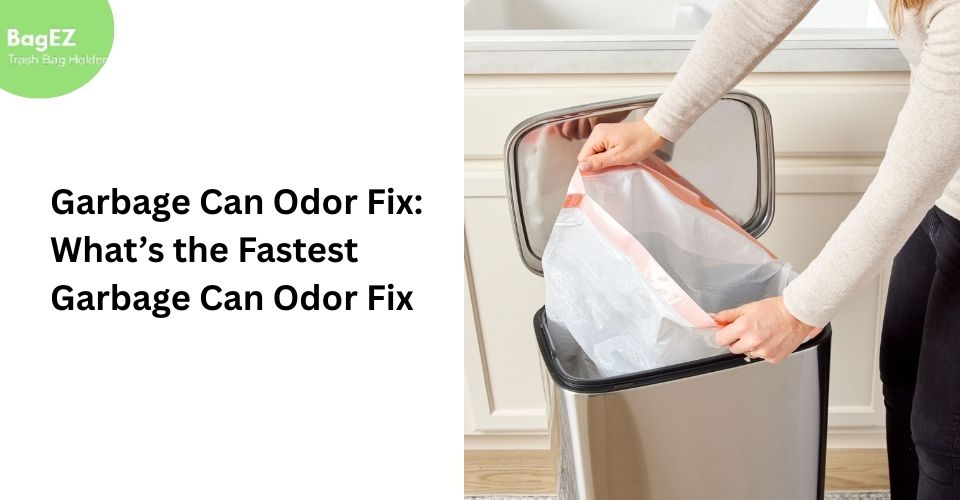
There can be few domestic issues as fast as a stinking garbage can. Although the trash is removed on a regular basis, the odor may spread quickly throughout the kitchen, making the entire area unhygienic. Knowledge of the quickest and most efficient method for odor fixation in garbage can help keep the home environment hygienic and healthy.
This paper will clarify why garbage smells form, the fastest means of counteracting them, and how to avoid their recurrence, using practical, proven methods rather than temporary band-aid measures.
The Question of How Garbage Can Smells Can Form So Fast

Bacteria are the major causes of garbage odors. The combination of food waste, moisture, and warm temperatures allows bacteria to decompose organic matter, producing unpleasant gases. This is fastened to closed trash bins, particularly those used daily in kitchens.
The largest contributors are liquids leaking from food packaging, meat scraps, and dairy waste. Although the trash bag is taken away, there is always some residue on the bottom or sides of the bin that emits an odor.
This is a key root cause to understand, as not only bacteria but also the cover must be eliminated for true odor control.
How to Quickly Remove the Odor in Garbage Cans?
The quickest way to fix the odor of garbage is to take three steps: remove the source, eliminate bacteria, and dry the bin. Any skipped steps tend to result in odors returning within a few hours or days.
Begin by taking out the trash and emptying this liner. Wash the bin with warm water to remove residual debris. This diminishes the odor intensity but does not completely solve the problem.
Neutralization is the only solution and not fragrance. Odor-neutralizing agents also operate by decomposing smelling substances rather than suppressing them.
Instagram Odor Neutralizers That Work
Natural neutralizers, which are usually better than perfumed sprays, are preferred for quickly removing the odor. One of the quickest and surest ways is baking soda. Spraying it into a bin neutralizes acidic, smelly molecules and inhibits bacterial growth.
Other quick-acting alternatives are white vinegar. Vinegar rinse alters the pH, rendering the environment hostile to odor-causing bacteria. It is better to leave it for several minutes before washing.
For stronger odors, hot water with mild dish soap and a neutralizer is the best option. This technique eliminates grease and, at the same time, attacks bacteria.
The Importance of Air-Drying
Drying is one of the least considered actions for controlling odor from garbage cans. Humidity provides the ideal conditions for bacteria to grow. Even a clean bin would smell once again when left wet.
Washing or rinsing should be followed by air-drying of the garbage can. It can be placed in a well-ventilated area in an inverted position to accelerate drying. Drying it with a cloth also helps remove any remaining moisture.
A dry bin has a much lower probability of re-emerging odors.
Quick Problem Preventive Solutions You Can Use Every Day
The quickest long-term solution once the odor is removed is prevention. Absorbent liners or a small amount of baking soda on the bottom of the bin can be used to prevent moisture and odors from escaping before they diffuse.
Liquid also minimizes when wet food waste is wrapped with paper towels or newspaper and then disposed of. This is just a simple routine that will avoid leaks that usually result in strong scents.
Regular garbage collection, particularly in hot months, is a significant factor in keeping down odors.
The Improvement of Odor-Control Accessories
However, these odor-controlling accessories in the present-day world are meant to help reduce the source of the trash smell. The filters, deodorizing pods, and odor-locking materials do not cover, but actively absorb gases.
Technologies for managing garbage odors may involve activated carbon or enzymes. These substances neutralize odor molecules continuously and thus remain effective even between cleanings.
This method is especially useful in the kitchen, where rubbish is generated by daily cooking.
Why Heavy Metal Garbage Can Smell When Empty
It is unbelievable to many that their garbage cans are still stinking when empty. This normally occurs due to odour penetration into micro-scratches or porous surfaces within the bin.
In particular, plastic bins can absorb odors over time. This can be prevented by regular deep washing and odor-eliminating solutions. Also, direct contact between waste and the bin is minimized by using liners at all times.
Old or scratched bins can be replaced as long as they still have an unpleasant smell even after cleaning.
The Influence of Kitchen Design on the Odor of Garbage Cans

The location of the garbage can also influences the level of odor noticeability. Scent is confined in enclosed cabinets and can therefore build up. The problem is also aggravated by poor ventilation.
When the bin is positioned below the sink, frequent ventilation and moisture control of the cabinet are necessary. Cabinets should always have the doors left open, which lets trapped odors escape.
It is possible to choose bins designed to contain odors, using odor-sealing lids to help considerably reduce the amount of odor that spreads in any enclosed area.
Time-Saving Long-Term Odor Control Practices
The quickest odor fix for a garbage can is also the one that helps prevent future issues. Frequent deep cleaning elimination is minimized by developing regular habits.
Basic habits such as weekly bin rinsing, monthly deep cleaning, and daily moisture control can help manage odors over time. Such habits are more productive as compared to using air fresheners.
Stability will reduce odor control to a low-maintenance procedure.
The Place of Bagez in the Contemporary Odor Management
Contemporary families are becoming more dependent on odor-control products for the concrete garbage bin. Bagez is interested in practical hygiene-first methods that control odor rather than cover it.
These solutions can meet the daily kitchen hygiene requirements by aiding the use of cleaner bins and minimizing bacterial growth. It is not perfume, but permanency in freshness.
This is a trend toward functional odor control, which reflects the importance of home cleanliness and convenience.
Concluding Remarks: The Quickest Solution is the Smartest Solution
The fastest way to correct a garbage can smell is not with scents or sprays. It is all about eliminating bacteria and moisture before it begins.
The most powerful smells of trash can be removed in a short period of time with the proper strategy, and kept off over a long period. Having a clean, dry, and well-functioning garbage bin adds more to kitchen hygiene than most people realize.
Minor adjustments to cleaning routines and odor prevention can have a significant effect on comfort and cleanliness.
FAQs
1. What removes garbage can odor instantly?
Baking soda and vinegar are among the fastest natural odor neutralizers when used properly during cleaning.
2. Why does my trash can still smell after washing?
Lingering moisture or absorbed odors in plastic surfaces often cause smells to return if the bin is not fully dried.
3. How often should I clean my garbage can to prevent odor?
A quick rinse weekly and a deeper clean once a month usually keeps odors under control.


