Carrito
0
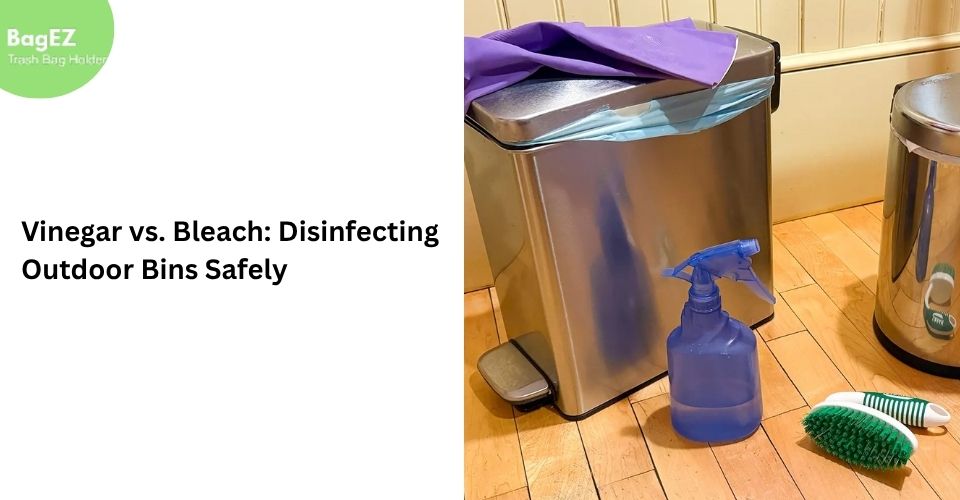
Outdoor trash bins deal with food waste, moisture, bacteria, odors, and grime every day. Over time, they can become a source of unpleasant smells and attract insects, rodents, and other pests. Regular cleaning helps keep bins sanitary, extends their lifespan, and creates a cleaner environment around your home or business.
Many people use either vinegar or bleach when cleaning bins, but choosing the right solution is important. Understanding the strengths and limitations of each option can help you disinfect safely and effectively. Pairing the right cleaning products with quality waste-management accessories from Bagez can make bin maintenance much easier.
Disinfecting is one step of a bigger job. Our complete trash can cleaning guide covers all five steps, and the setup that means you rarely repeat them.
Why Outdoor Bin Cleaning Matters
Outdoor trash containers collect more than garbage.
Common issues caused by dirty bins include:
-
Persistent foul odors
-
Bacteria buildup
-
Mold and mildew growth
-
Attraction of flies and pests
-
Stains and residue accumulation
-
Increased risk of cross-contamination
Routine cleaning helps:
-
Reduce unpleasant smells
-
Improve sanitation
-
Prevent pest infestations
-
Maintain a cleaner property appearance
-
Extend the life of waste containers
Essential Supplies for Bin Cleaning
Before starting, gather the necessary cleaning tools.
Some of the best trash can cleaning products include:
-
White distilled vinegar
-
Household bleach
-
Dish soap or degreasing cleaner
-
Scrub brush with long handle
-
Garden hose or pressure washer
-
Rubber gloves
-
Microfiber cloths
-
Baking soda
-
Disinfectant spray
-
Trash can deodorizer
Helpful accessories:
-
Durable bin liners
-
Odor-control bags
-
A medium trash bag holder for easier waste management
-
Heavy-duty trash bags
Using proper supplies makes cleaning faster and more effective.
Understanding Vinegar as a Bin Cleaner
Vinegar has become a popular natural cleaning solution.
Benefits of Vinegar
-
Natural and environmentally friendly
-
Non-toxic when used correctly
-
Helps neutralize odors
-
Removes light stains and grime
-
Breaks down grease residue
-
Affordable and widely available
How Vinegar Works
White vinegar contains acetic acid.
This acid helps:
-
Dissolve mineral deposits
-
Cut through grease
-
Reduce odor-causing residue
-
Inhibit some bacteria and mold growth
Best Uses for Vinegar
Vinegar works well for:
-
Routine maintenance cleaning
-
Odor control
-
Light dirt removal
-
Eco-conscious households
-
Frequent bin freshening
Limitations of Vinegar
While useful, vinegar has some drawbacks:
-
Not considered a hospital-grade disinfectant
-
Less effective against certain pathogens
-
May require repeated applications
-
Works slower than stronger disinfectants
For heavily contaminated bins, additional sanitation methods may be needed.
Understanding Bleach as a Bin Disinfectant
Bleach is commonly used when stronger disinfection is required.
Benefits of Bleach
-
Powerful disinfecting properties
-
Kills many bacteria and viruses
-
Effective on mold and mildew
-
Fast-acting sanitation solution
-
Widely recommended for deep cleaning
How Bleach Works
Bleach contains sodium hypochlorite.
This chemical:
-
Destroys microorganisms
-
Eliminates many disease-causing germs
-
Helps sanitize contaminated surfaces
Best Uses for Bleach
Bleach is ideal for:
-
Deep-cleaning sessions
-
Heavily soiled bins
-
Post-spill disinfection
-
Mold-prone containers
-
Commercial sanitation routines
Limitations of Bleach
Bleach also comes with disadvantages:
-
Strong chemical odor
-
Can irritate skin and eyes
-
May damage some materials
-
Requires careful dilution
-
Environmental concerns with overuse
Proper handling is essential for safety.
Vinegar vs. Bleach: Side-by-Side Comparison
Cleaning Power
Vinegar:
-
Good for everyday cleaning
-
Removes light residue
-
Helps control odors
Bleach:
-
Stronger sanitizing action
-
Better for deep disinfection
-
Effective against many microorganisms
Safety
Vinegar:
-
Generally safer for households
-
Lower risk of chemical exposure
-
Easier to handle
Bleach:
-
Requires protective gloves
-
Needs proper ventilation
-
Must be stored carefully
Environmental Impact
Vinegar:
-
More environmentally friendly
-
Biodegradable
-
Lower ecological impact
Bleach:
-
Higher environmental concerns
-
Can affect waterways if misused
-
Requires responsible disposal
Odor Control
Vinegar:
-
Neutralizes odors naturally
-
Reduces lingering smells
Bleach:
-
Disinfects odor sources
-
Leaves a noticeable chemical scent
Cost
Both products are affordable.
However:
-
Vinegar is often slightly less expensive
-
Bleach may provide more disinfecting value for severe contamination
Important Safety Warning
Never mix vinegar and bleach.
Combining these products creates chlorine gas, which can be dangerous.
Potential effects include:
-
Breathing difficulties
-
Eye irritation
-
Coughing
-
Chest discomfort
-
Serious respiratory problems
Always use one product at a time and thoroughly rinse surfaces before switching cleaners.
How to Clean Outdoor Bins with Vinegar
Follow these steps for routine maintenance.
Step 1: Empty the Bin
-
Remove all trash
-
Take out liners
-
Check for hidden debris
Step 2: Rinse Thoroughly
-
Use a garden hose
-
Remove loose residue
-
Flush away food particles
Step 3: Apply Vinegar Solution
Mix:
-
Equal parts water and white vinegar
Apply by:
-
Spraying interior surfaces
-
Coating the lid
-
Covering high-contact areas
Step 4: Scrub
Focus on:
-
Corners
-
Lid hinges
-
Bottom surfaces
-
Areas with buildup
Step 5: Rinse and Dry
-
Rinse completely
-
Allow air drying
-
Keep the lid open until dry
Step 6: Add Fresh Liner
Installing a clean bag immediately helps maintain cleanliness.
How to Disinfect Outdoor Bins with Bleach
Use bleach for deeper sanitation.
Step 1: Empty and Rinse
-
Remove all waste
-
Rinse thoroughly
Step 2: Prepare Bleach Solution
A common cleaning dilution:
-
Approximately 1/3 cup bleach per gallon of water
Always follow product label instructions.
Step 3: Apply Solution
-
Spray or pour inside the bin
-
Cover all interior surfaces
-
Treat lids and handles
Step 4: Allow Contact Time
-
Let solution sit for several minutes
-
Follow label directions
This contact time helps maximize disinfecting effectiveness.
Step 5: Scrub and Rinse
-
Scrub stubborn residue
-
Rinse thoroughly with clean water
Step 6: Dry Completely
Moisture can encourage odor and mold growth.
Allow the container to dry before use.
Additional Tips for Keeping Bins Fresh
Preventing odors is easier than removing them.
Helpful habits include:
-
Double-bag wet waste
-
Clean spills immediately
-
Use deodorizing products
-
Keep lids closed
-
Store bins in shaded areas
-
Schedule monthly deep cleanings
Many homeowners also place:
-
Baking soda in the bottom
-
Odor-absorbing liners
-
Scented trash bags
These simple practices help reduce maintenance.
Why a Medium Trash Bag Holder Helps
A medium trash bag holder is often overlooked but can improve waste management.
Benefits include:
-
Keeps bags secure
-
Reduces slipping and tearing
-
Makes bag replacement easier
-
Improves organization
-
Supports cleaner waste handling
When paired with quality trash bags, holders help minimize leaks that contribute to dirty bins.
Choosing the Best Trash Can Cleaning Products
The ideal cleaning routine often combines multiple products.
Recommended essentials:
-
White vinegar for regular maintenance
-
Bleach for periodic deep disinfection
-
Dish soap for grease removal
-
Baking soda for odor control
-
Long-handled scrub brush
-
Heavy-duty liners
Rather than relying on one product alone, combining cleaning and prevention strategies delivers the best results.
Bagez offers practical waste-management solutions that help keep bins cleaner between washings, reducing mess, leaks, and odor-related problems.
Final Thoughts
Both vinegar and bleach have valuable roles in outdoor bin maintenance. Vinegar is an excellent choice for routine cleaning, odor control, and environmentally conscious households. Bleach remains the stronger option when thorough disinfection is required.
The safest approach is using each product appropriately, never mixing them, and following proper cleaning procedures. Combining regular maintenance, effective sanitation practices, quality liners, and accessories such as a medium trash bag holder can significantly improve cleanliness and odor control.
With the right cleaning routine and dependable waste-management products from Bagez, keeping outdoor bins fresh, sanitary, and odor-free becomes much easier throughout the year.