Carrito
0
By Manuela Willbold · Editor at the Green Living Blog
When people talk about eco-friendly living, it's easy to get overwhelmed.
You might picture a complete lifestyle overhaul: zero-waste pantries with pristine glass jars, expensive home upgrades, or micro-managing every single piece of plastic that enters your front door.
But as someone who spends every day discussing sustainability at the Green Living Blog, I can tell you a secret: sustainable living doesn't require perfection. It starts with small, smart shifts in your daily routines.
One of the most effective—and surprisingly satisfying—places to start is right in your own home with your daily trash. If you've ever wondered what is green living at its core, it's really about making conscious decisions that reduce waste, conserve resources, and simplify your routine.
Here's how taking a smarter approach to waste management can make your journey to a greener lifestyle effortless.
1. Set Up Seamless Waste Sorting Systems
The single biggest obstacle to recycling and composting is friction. If sorting your food scraps or empty tins feels annoying or messy, you're far less likely to stick with it when you're busy cooking dinner.
Smarter waste management means setting up simple, accessible stations right where waste is created:
- In the Kitchen: Keep separate catchments for soft plastics, general recycling, and food scraps within arm's reach of your food prep space.
- On the Go & Outdoors: Whether you're working in the garage, hosting a garden BBQ, or off on a weekend camping trip, waste sorting often falls apart when you don't have proper bins nearby.
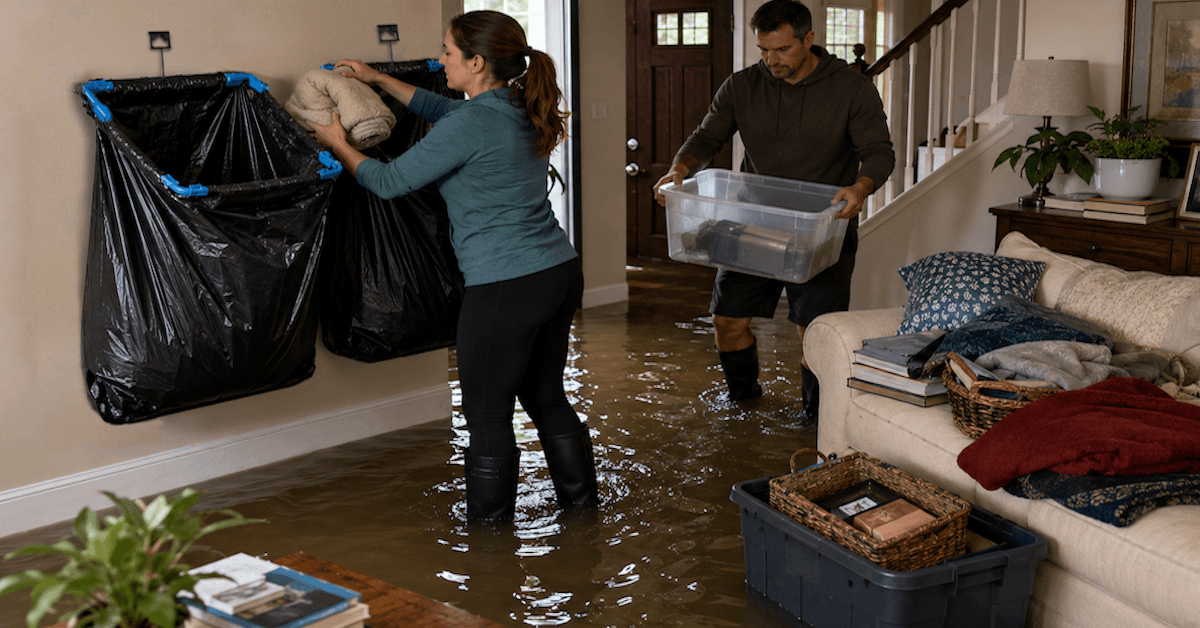
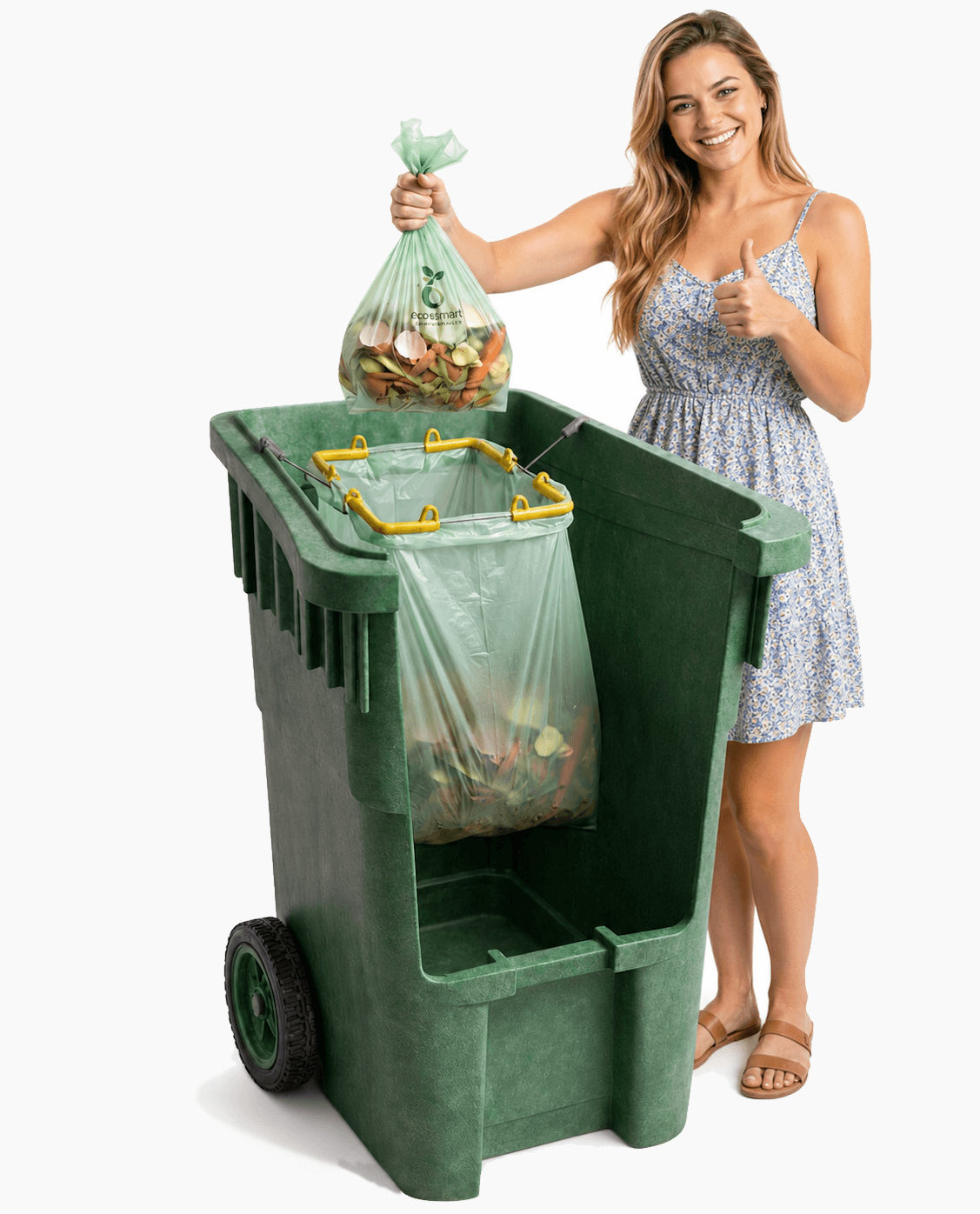
This is where lightweight, portable tools like BagEZ's green bin trash bag holder change the game. Instead of dragging heavy plastic bins out into the yard or letting loose bags slump over on the grass, a compact hanging frame holds standard trash, or recycling bags open anywhere—from tree branches to cabinet doors.
Making disposal hands-free and instant ensures recyclables end up in the right place, no matter where you are.
2. Eliminate Chemical Cleaning & Extra Plastic Bags
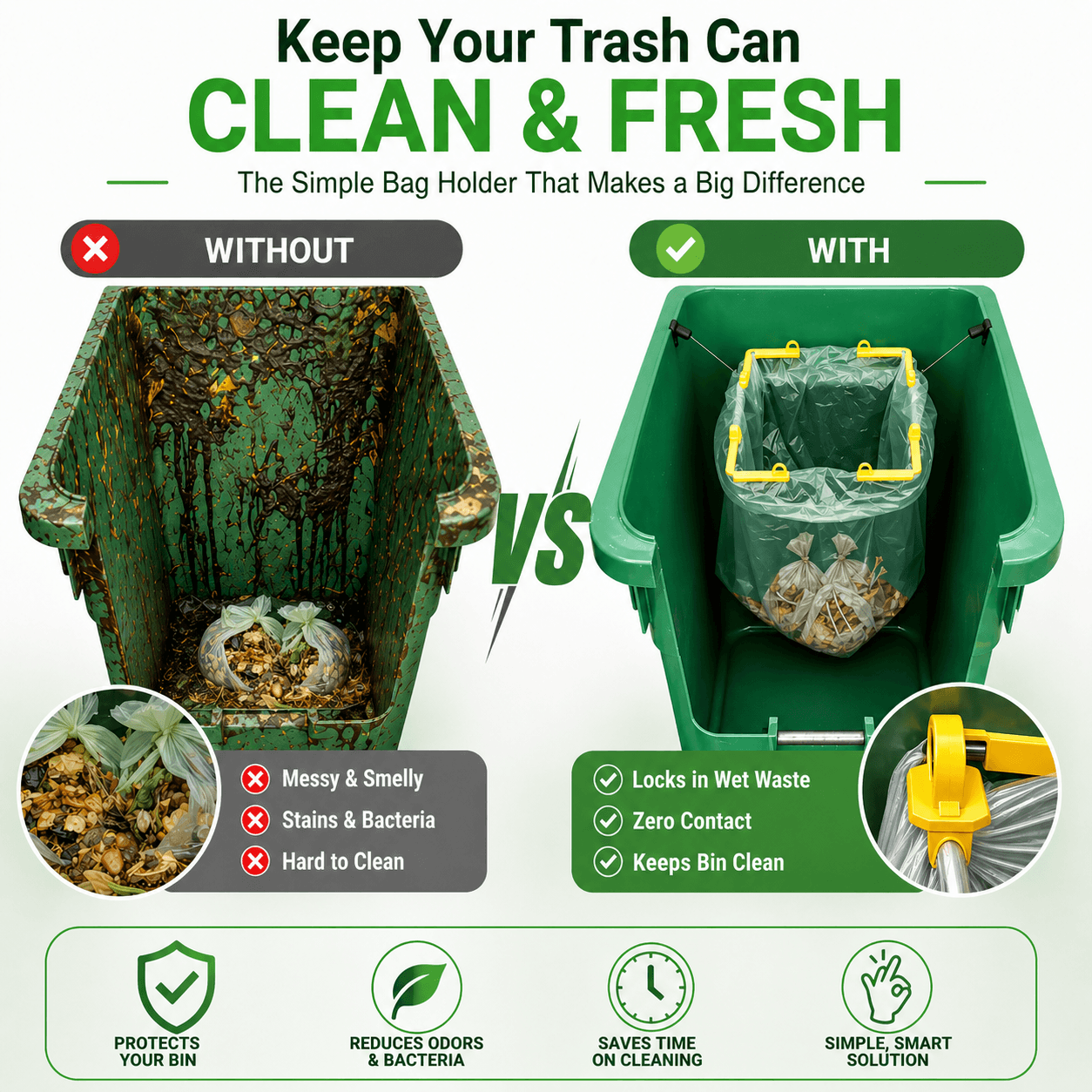
A truly green lifestyle looks at the secondary waste generated by our habits. Take outdoor wheelie bins, for instance. Traditional trash liners slip, fall inside, and spill waste directly onto bin walls. The result? Foul odours, unwanted pests like maggots, and a monthly chore of hosing out bins with gallons of clean water and harsh chemical detergents.
Smarter waste management focuses on prevention over cleanup:
- Stop Liner Slip: Using a dedicated liner lock (like the BagEZ 13x13 system) keeps affordable, standard trash bags held wide open inside 35-to-96-gallon bins without collapsing.
- Save Water & Ditch Chemicals: When trash never contacts the bin walls, your outdoor bins stay permanently clean. You instantly cut back on unnecessary plastic waste (no need for overpriced, oversized specialty liners) and save gallons of tap water you'd otherwise waste hosing down dirty bins.
Watch: How to Prevent Maggots in Your Trash Can — BagEZ
3. Audit What You Throw Away
Before you toss something into your standard garbage bag, take two seconds to ask: Can this serve another purpose?
- Compost Organic Matter: Food scraps, coffee grounds, and unbleached paper towels make up a massive portion of household trash. Diverting them to a home compost bin or municipal green bin keeps organic waste out of oxygen-starved landfills where it creates harmful methane.
- Reuse Big Trash Bags for Heavy Jobs: When tackling seasonal lawn maintenance, leaf clearing, or DIY garage cleanouts, heavy-duty contractor bags are often necessary. Using a sturdy steel frame to keep heavy 20-to-33-gallon bags wide open makes filling them easier, preventing torn bags and double-bagging waste.
4. Shift from “Zero-Waste” to “Less-Waste”
The goal of green living isn't to never produce a single piece of trash again; it's to build sustainable habits that fit your actual life.
When you organize your waste stream, make recycling effortless, and use durable tools that prevent unnecessary mess and water waste, green living stops feeling like a chore. It simply becomes the way you run your home—cleaner, smarter, and lighter on the planet.
As you can see, it's not hard or expensive to live greener, but you need to start somewhere and it's best to begin with small habitual changes in your daily life.

Image credit: This image is owned by @Greenlivingblog.org.uk