

Cart
0
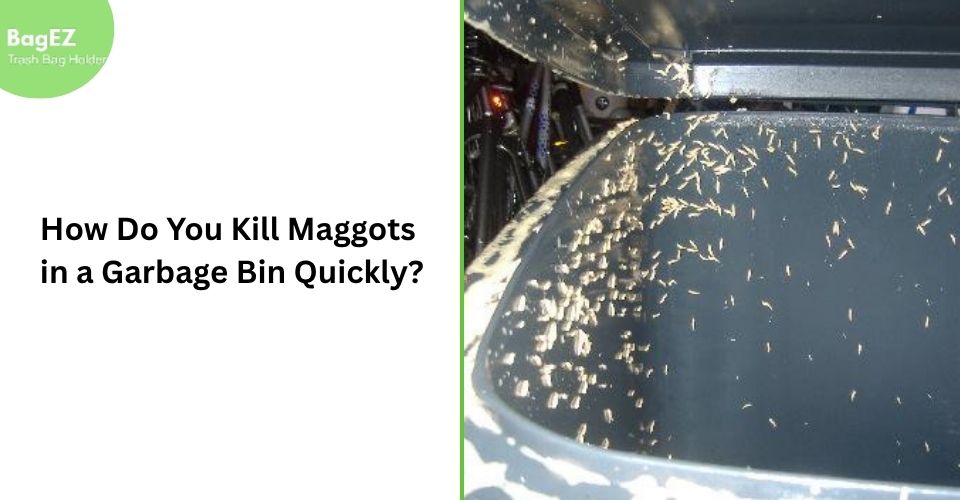
There is nothing worse than waking up on a good morning only to open up the lid of your garbage bin and find, at the very bottom, a bunch of squiggling maggots. Not only do these small white larvae not look particularly pleasant, but they also indicate the presence of bacteria, a lack of hygiene, and health risks. But there is good news: you can get rid of maggots quickly and ensure they do not come back.
In Bagez, we experience the exasperation caused by garbage infestations. In the middle of summer or due to a lack of trash collection, maggots may increase rapidly. We shall elaborate on how to eliminate maggots in garbage bins quickly, why they occur, and how to observe their demise using just a few household tricks.
Why Maggots Show up in Garbage Bins?

You have to know the cause of maggots before you can kill them. Maggots are insects of flies - typically housefly or blowfly - which equate to rotting organic matter such as food scraps, meat, and rotten fruit.
The flies sense these smells, and when they find them inside your garbage box, they lay their eggs, usually in damp or rotting contents. In 24 hours, eggs hatch into maggots that feed on waste and multiply rapidly.
The most popular causes of maggot infestation include:
-
Food that is not covered with trash bags.
-
Late garbage collection leads to rotting garbage.
-
At the bottom of the bin, there are liquid or organic remains.
-
Fly activity accelerated by warm, humid weather.
This is easy to do when we know these triggers and help break the breeding cycle and restore hygiene in your home, beginning with your own body.
Step 1: Remove and Isolate the Infested Waste
Removing the maggot infestation from garbage bins is the first step toward killing them. Wear disposable gloves and tie the trash bag tightly in an area where maggots are most active.
If maggots are spotted crawling externally of the bag, spray them directly with boiling water or white vinegar; they will be rendered immobilized. Then wrap the garbage up and get rid of it right away; do not leave it overnight.
After clearing the trash, drag the bin outside to an open, well-ventilated space where it can be washed without risk.
Step 2: Kill Maggots Instantly with Boiling Water
Boiling water is one of the fastest and most efficient ways to kill maggots. Gradually pour it into the bin, making sure it reaches all corners, crevices, and the bottom, where the larvae tend to congregate.
Any live maggots and unhatched fly eggs that come into contact with extreme temperatures are destroyed. When using a plastic bin, it is also important that you pour slowly to avoid warping the material. You can still combine boiling water with a small amount of cold water to balance the temperature without using more water, while keeping it effective.
Pour, allow to rest for 5 minutes, then empty.
Step 3: Use Natural Killers Like Vinegar or Baking Soda
In case you do want to go chemical-free, vinegar and vinegar soda are also good maggot killers, and they smell like vinegar.
Here’s how to do it:
-
Add a mixture of vinegar and water (approximately 2 liters of each).
-
A 1/2cup of baking soda can be added to increase cleaning power.
-
Add the liquid to your trash, then allow it to dry for 30 minutes.
-
Clean the inside walls, lid, and the bottom with a long-handled brush.
-
Wash fine with running water.
The maggots are killed in this natural combination, the surfaces are disinfected, and the persistent odors, which flies find attractive, are removed.
To further protect, keep the bottom of the bin as dry as possible and sprinkle with rock salt or diatomaceous earth, both of which create an inhospitable environment for pests.
Step 4: Try Chemical Sprays for Severe Infestations
When you have a massive infestation or want immediate results, spray an insecticide indicated for use in domestic waste areas. Permethrin- or pyrethrin-based products are effective for getting rid of maggots and excluding adult flies.
Be generous when spraying into the bin and allow it to settle for at least 1015 minutes before rinsing. As a rule, observe safety precautions and do not use chemical sprays in the immediate vicinity of pets or food.
In case you are more comfortable with conditions that are safer and less harmful to the environment, enzyme-based cleaners are the way to go - they do not leave any toxic residue as they break organic matter down in a natural way.
Step 5: Clean, Dry, and Deodorize Your Bin
It is essential to clean out and empty your bin completely once all the maggots have been removed. The first attractant of bacteria and flies is moisture.
-
Wipe the bin out with a weak detergent or irrigate it with an antibacterial cleaner.
-
Rinse under warm water until no trace remains.
-
Dry it off with old towels, or leave it in the sun for 2 hours.
The sun is a natural disinfectant for surfaces and helps prevent mold growth. It can also be sprayed with a few drops of essential oils, such as peppermint, eucalyptus, or citrus, which have fly-repelling qualities and make your bin smell fresh.
To ensure the odor is under control in the long term, one can use Bagez heavy-duty bin liners, which feature odor-lock technology and are leak-resistant, so the waste does not touch the bin walls.
Step 6: Keep Flies Away to Prevent Future Maggots
It is not half the battle to kill maggots and the rest to keep them out. These are tested fly-preventive measures:
-
Before disposing of garbage, seal all garbage bags.
-
Meat scraps should be stored in a freezer to prevent decomposition until collection day.
-
Wash reusable vessels and put them into the trash.
-
Close the bin lid and fix the cracks.
-
Add bin deodorizer pills or liners to reduce the smell.
-
Clean out your garbage box at least once a week, especially during hot seasons.
-
To keep flies away, use natural repellents like lemon slices on a clove or lavender sachets near your bin.
We have learned that the two largest ways of permanently stopping maggots are constant cleaning and odor management at Bagez.
Step 7: Handle Outdoor Bins the Smart Way
Maggots develop mostly in outdoor bins because of the flies that are drawn to the bins by flight. Keep your bins in cool, well-ventilated areas, not in direct sunlight or next to the kitchen windows.
Elevate your bins slightly to prevent water pooling underneath; standing moisture invites flies. During the rainy season, ensure lids are fully closed to prevent humidity from building up inside.
For best results, line your outdoor bins with Bagez extra-thick bin bags, which trap odors and reduce leakage, effectively cutting off the fly breeding cycle.
When to Seek Professional Cleaning
If your bin infestation has spread or you can’t manage the odor and buildup, a professional bin cleaning service can help. They use high-pressure steam and industrial disinfectants to remove residues and bacteria that standard cleaning might miss.
However, with regular maintenance and high-quality waste liners like Bagez odor-seal bags, you can usually avoid ever needing professional help.
Long-Term Prevention: Simple Habits That Work
Once your garbage bin is clean, maintaining it takes just a few minutes each week. Adopting small habits like rinsing the bin, double-bagging meat waste, and wiping the lid after each collection day keeps flies away for good.
At Bagez, we always say prevention is easier than extermination, and that’s especially true with maggots. Clean bins don’t just look better; they also help maintain household hygiene and protect your family from harmful bacteria.
Final Thoughts
Maggots in your garbage bin can be a nasty surprise, but with the right approach, you can eliminate them quickly and keep your home clean and odor-free. From natural remedies like vinegar and vinegar gargle to vinegar-based tools like Bagez anti-leak liners, there’s always a solution that fits your lifestyle.
The key lies in acting fast, cleaning thoroughly, and maintaining good waste management habits year-round. A clean bin isn’t just about aesthetics; it’s about hygiene, comfort, and peace of mind.
With a little effort and the right products, you can make sure those wriggling pests never come back again.
FAQs
1. What kills maggots instantly in a garbage bin?
Boiling water is one of the fastest and safest ways to kill maggots instantly. You can also use white Vinegar spray for larger infestations.
2. Can bleach kill maggots in trash bins?
Yes, bleach kills maggots and disinfects the surface. Mix one part bleach with two parts water, pour it into the bin, and let it sit for 10 minutes before rinsing.
3. How can I prevent maggots from coming back?
Always use Bagez odor-lock garbage liners, seal all waste properly, and clean your bin regularly. Keeping the bin dry and odor-free will prevent flies from laying eggs again.


