Cart
0
Quick Answer
What size compostable bag should I use in my green bin?
You don't need to match the bin's maximum capacity. Use a smaller, cheaper 10L or 13L compostable bag and let a BagEZ steel frame hold it open and upright inside the bin. You'll get a bag that actually goes out full, doesn't slip or collapse, and costs a fraction of oversized liners. For the full sizing and setup walkthrough, see our BagEZ green bin holder guide.
In This Guide
10L
Right-Size Bag
$0
Tools Needed
Any
Program Compliant
Steel
BagEZ Frame
Ask ten people why they don't use their green bin properly, and you'll get two very different answers. Some will tell you the big liners are too expensive and wasteful because they barely get filled. They kept collapsing, slipping in, and making a mess. Others will tell you they tried the small bags, but they leak. Both groups gave up. And both groups are right about the problem.
BagEZ solves it from either direction. The EPA notes that composting food scraps at home is one of the highest-impact sustainability actions a household can take — and getting the bag setup right is what makes it actually stick as a habit.
The Problem with Big Compostable Liners
If you currently use large compostable green bin liners, you already know the math doesn't quite work. Most households in Canada don't generate enough food waste in a week to come close to filling one. Collection day rolls around and you're putting out a bag that's maybe 15% full. The rest — and the money you paid for it — is wasted.
Certified compostable bags aren't cheap. And buying a size designed for your bin rather than your actual waste output means you're paying for capacity you'll never use, week after week.
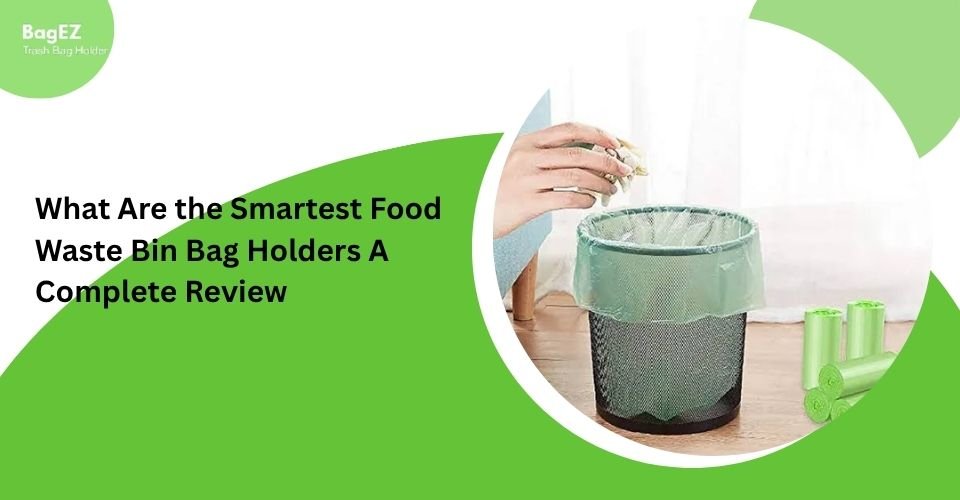
The fix is simple: use a smaller, cheaper compostable bag — the 10L or 13L kind sold at virtually every grocery store in Canada — and let a BagEZ frame hold it open inside your bin. Same green bin program compliance. Same certified material. A fraction of the cost, and a bag that actually goes out full.

The Problem with Small Compostable Bags (The Other Direction)
Here's the angle most people don't talk about: plenty of households tried going the other way first. They didn't want to spend money on large liners. They picked up a roll of small compostable bags — the 8L or 10L ones — figured they'd do the job, and quickly hit a wall.
A small bag in a large green bin doesn't stand up. It slips down the sides. It doesn't stay open when you're trying to scrape plates into it. Food misses the bag and hits the bin. The whole thing becomes more trouble than it's worth, and the green bin goes back to sitting empty in the garage.
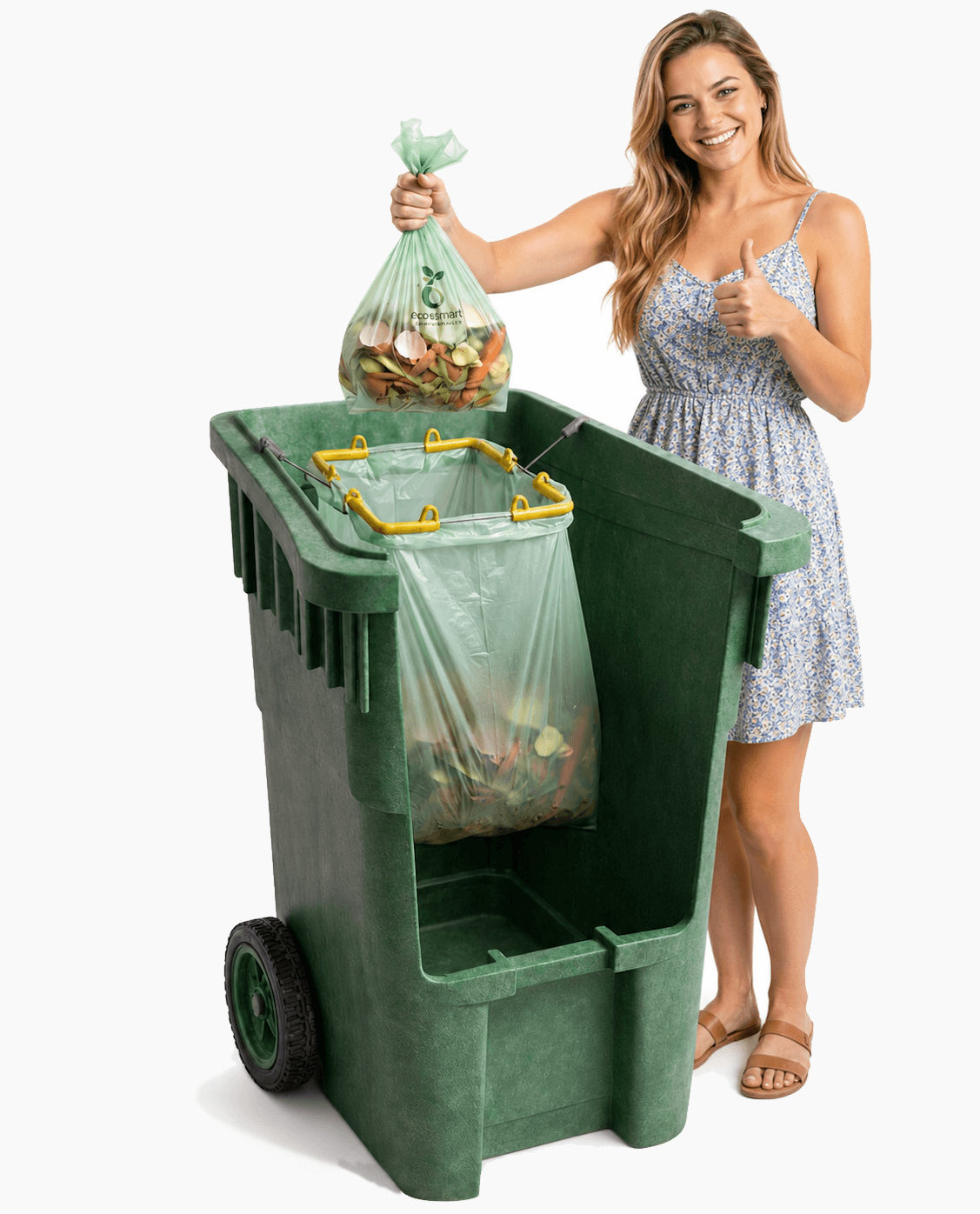
This is the exact problem BagEZ was built for. The frame sits inside your bin and holds the bag — any bag — open and upright regardless of the size mismatch between the bag and the bin. A small 10L compostable bag held by a BagEZ frame works just as cleanly and reliably as a large liner that matches the bin perfectly. Easier, actually, because it fills up and gets swapped before it gets heavy.

And Then There's the Third Group: People Who Never Used a Liner at All
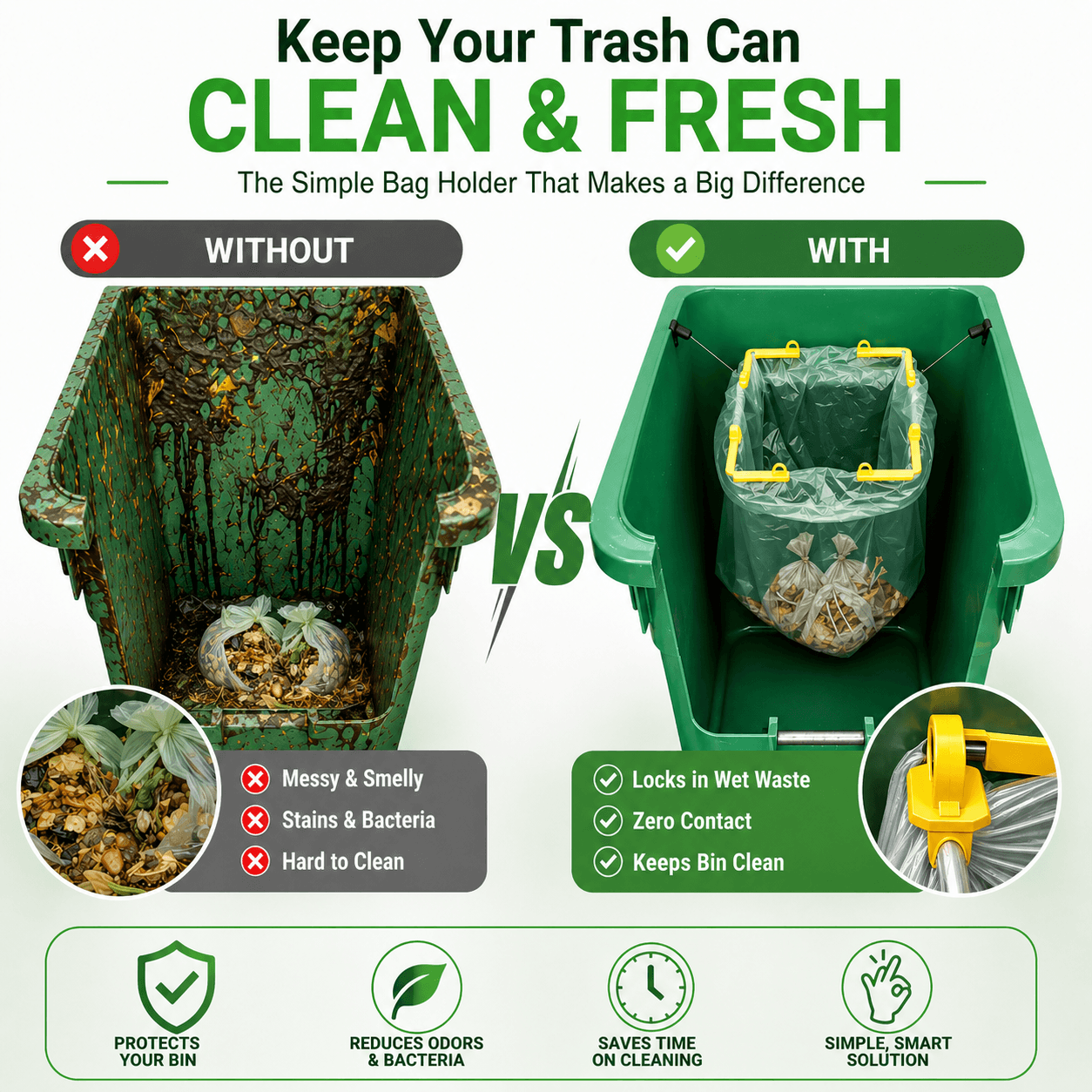
Some households skipped liners entirely — not because of cost, but because they didn't want to deal with washing the bin. A liner-free green bin gets dirty fast. Food waste juice pools at the bottom. The smell builds. Cleaning it out becomes a weekly chore nobody wants.
But using a large compostable liner to avoid that felt wasteful, especially for smaller households. So the bin just sat there, technically available, practically unused.
Any small compostable bag in a BagEZ frame solves this completely. The bag catches everything before it touches the bin. The bin stays clean. You're not overspending on big liners to get that protection — you're using the smallest appropriate bag, held in place by a frame, and the bin never needs scrubbing. For households comparing this approach to paid bin-cleaning services, see our complete BagEZ green bin holder guide.
The Suspension Advantage All Three Groups Benefit From
Regardless of which direction you're coming from — downsizing from large liners, making small bags work, or starting fresh — suspending the bag above the bin floor solves a problem everyone with a green bin has faced: the stuck bag.
When any bag sits directly on the bin floor, liquid seeps underneath and glues it in place. Pulling it out without tearing or spilling becomes a project. BagEZ keeps the bag lifted off the base entirely, so it comes out cleanly every time. No mess. No drama. Seconds, not minutes.
Which BagEZ Do You Need?
For the indoor kitchen caddy or countertop composter, the BagEZ Medium (13×13) holds standard 10L–15L compostable bags — the size available at most Canadian grocery stores — and fits the common kitchen green bin formats used across Ontario, BC, and Quebec programs.
For a larger outdoor green bin, the BagEZ Large (16×17) lets you consolidate a full week of waste while still right-sizing the bag to what you actually produce rather than the bin's maximum capacity.
The Bags Are at Your Grocery Store. The Frame Is the Missing Piece.
Get a BagEZ frame, use whatever 10L or 13L compostable bag you already buy, and your green bin will work the way it always should have.
Shop BagEZ →Get Green Bin Tips & BagEZ Updates
Join Canadian households sorting smarter and spending less on liners.
Frequently Asked Questions
Are smaller compostable bags approved for green bin programs in Canada?
Yes — most Canadian municipal green bin programs accept any certified compostable bag, regardless of size, as long as it carries the right certification (BPI, TUV, or EN 13432 depending on your municipality). Using a smaller 10L or 13L bag in a BagEZ frame is fully compliant with programs in Ontario, BC, Quebec, and most other provinces. Always verify with your local waste program if you're unsure about specific certifications.
Why does my compostable bag get stuck to the bottom of my green bin?
Liquid from food waste seeps under the bag and creates a seal between the bag and the bin floor. When the bag is full and you try to lift it, it tears or the contents spill. BagEZ prevents this by keeping the bag suspended above the bin floor — no contact, no seal, no stuck bag. The bag lifts out cleanly every time.
How much do I save by switching from big liners to smaller compostable bags?
Large certified compostable green bin liners can cost $0.50–1.50 per bag. Standard 10L compostable bags from grocery stores run $0.10–0.30 each. For a household that changes bags twice a week, the switch saves $40–100 per year in liner costs alone — not counting the BagEZ frame, which pays for itself within weeks and lasts 5+ years.
Can I use BagEZ without any liner at all?
BagEZ is designed to hold a bag open inside the bin — it works with a liner, not as a replacement for one. For green bin programs that require certified compostable bags, you'll always need a bag. However, BagEZ makes using any size compostable bag practical, so even the cheapest small bag becomes a workable solution in any size bin.
How often should I change my compostable bag in the green bin?
With a 10L bag and a BagEZ frame, most households swap 2–3 times per week rather than waiting for collection day. This actually works better: smaller, fuller bags that go out full are more efficient than a large liner that's partially filled over a week. More frequent swaps also means less odor buildup, since the bag is sealed and replaced before it has time to ferment.
Shop BagEZ for Your Green Bin
🌱
BagEZ Medium 13×13
For kitchen caddies and standard 64-gal green bins. Holds 10–15L bags open all week.
Shop Medium →Best for Large Green Bins
♻️
BagEZ Large 16×17
For 96-gal municipal carts. Right-sizes small bags to fit any large bin.
Shop Large →📦
BagEZ 3-in-1 Bundle
Cover every bin in your home or property — kitchen caddy to outdoor cart.
Shop Bundle →